
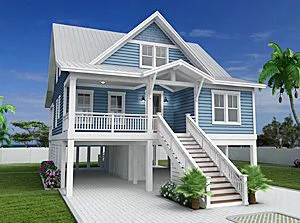
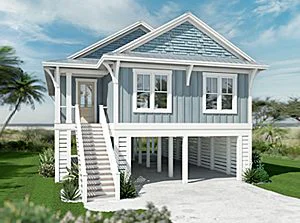
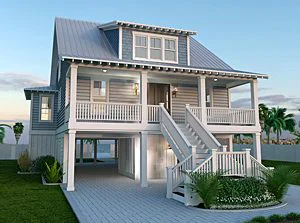
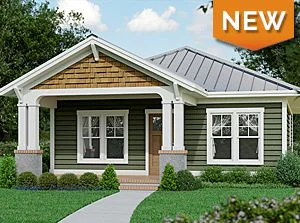
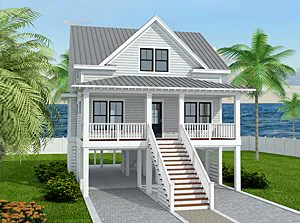
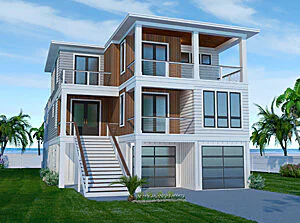
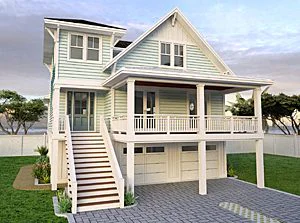
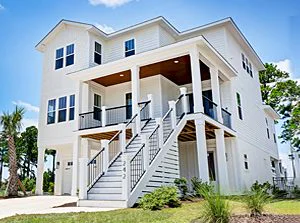
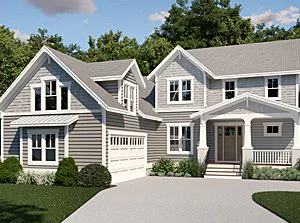
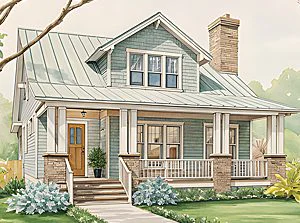
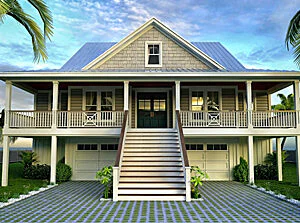
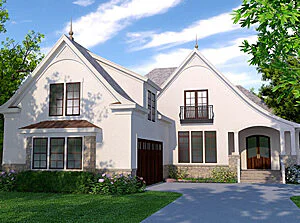

A significant majority of traditional beachfront homes aren’t exactly the most accessible for people with disabilities. However, an accessible coastal home offers several benefits, including:
- Enhanced comfort and ease of use
- Increased independence for the mobility-impaired
- Future-proofing for retirement
- A broader appeal for resale or rental
Accessibility has rapidly emerged as a priority in modern coastal architecture and design communities nationwide.
Whether you’re dreaming of aging gracefully in your perfect beachfront paradise or building a vacation rental that welcomes guests of all abilities, these essential design elements deserve your attention.
Why Accessibility Matters in Coastal Home Design
In the wake of increased hurricane activity, elevated multi-story homes have become the standard for beachfront properties. While providing crucial protection, this elevation creates significant challenges for those with mobility limitations.
Forward-thinking homeowners and investors are embracing universal design principles to:
- Maximize their long-term enjoyment of the home
- Improve accessibility for visiting friends and family
- Increase the property’s potential resale value
- Elevate the home’s appeal as a vacation rental destination
Key Features for an Accessible Coastal House Plan
1. Home Elevators
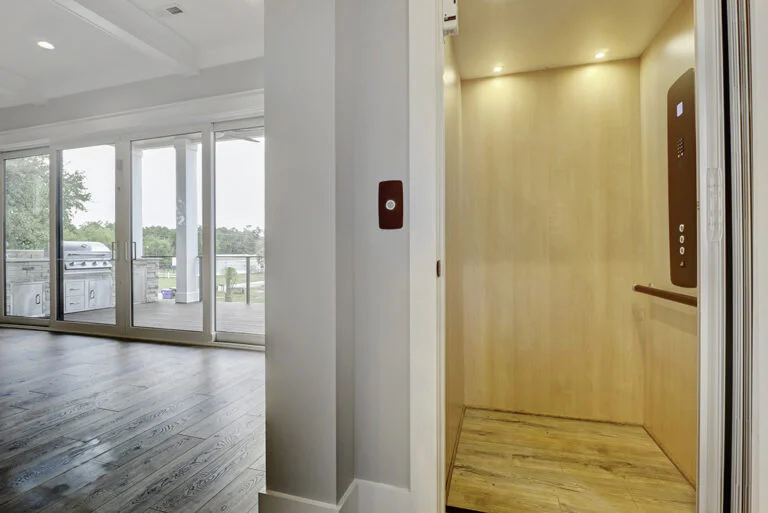
Multi-story designs dominate coastal architecture due to their superior views and storm protection. For folks who rely on a wheelchair, walker, cane, or other mobility aid, a strategically placed home elevator or lift is essential.
There are a few different home elevator types to choose from.
| Home Elevator Type | Pros | Cons |
| Pneumatic Vacuum Elevators (PVEs) | Enclosed design minimizes exposure to salt air and humidity, potentially reducing corrosion.
No hydraulic fluids to leak or be affected by moisture. Lack of a pit is ideal for high water tables or potential flooding. Generally uses corrosion-resistant materials (e.g. polycarbonate and aluminum). |
Limited weight capacity and travel distance (~3 floors).
Wheelchair accessibility can be restricted in certain models. Potential for air leaks over time, requiring special maintenance. |
| Hydraulic Elevators | Powerful lifting capacity supports larger coastal homes and heavy loads.
NOTE: Requires high-quality corrosion-resistant materials. |
Highly susceptible to corrosion from salt air and humidity.
Hydraulic fluid can leak or respond negatively to coastal temperature fluctuations. Lower level machinery and components are vulnerable to flooding damage if not properly elevated and protected. |
| Traction Elevators | Energy-efficient operation boosts energy savings in coastal areas with higher energy costs.
Machine Room-Less (MRL) options save space—valuable in coastal construction where space may be limited. |
Cables and other steel components are prone to corrosion, requiring vigilant maintenance.
Drive systems and electrical components are susceptible to moisture damage if not properly installed/sealed. |
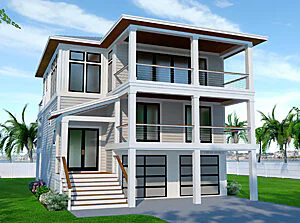
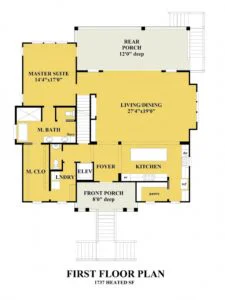
Good news! SDC House Plans offers a variety of coastal home designs with built-in home elevators (e.g. our Bay River coastal home plan below).
2. Open Floor Plans
When dealing with bulky wheelchairs and mobility aids, it is extremely beneficial to go with an open, spacious layout. The fewer corners and doorways to navigate, the better.
Beyond accessibility, open-concept designs offer a number of other benefits, including:
- Greater connectivity between living spaces
- An illusion of more space
- Optimized views and natural light
- Increased flexibility for furniture arrangement
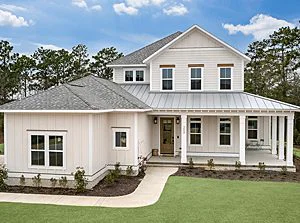
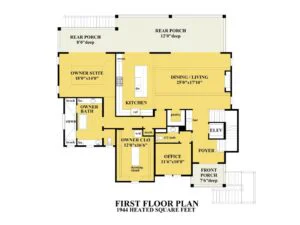
Fun Fact: The majority of our coastal home plans—like our popular Harlowe Creek design (below)—feature thoughtfully designed open-concept living areas, each optimized for flow, functionality, and breathtaking views.
3. Wide Doorways
While open floor plans naturally minimize transitions between spaces, doorways remain necessary in certain areas. To comfortably accommodate mobility aids, doorway openings should measure at least 32 inches—preferably wider, as standard wheelchairs can reach 36 inches in width.
4. Accessible Kitchens
To increase kitchen functionality for those with disabilities or mobility issues, consider making a few smart design elements:
- Incorporate a 5-foot turning radius around kitchen islands and tables.
- Cap countertop height between 24 and 34 inches—customized to your specific needs.
- Install lower storage options and/or pullout shelves.
- Maintain a clear space below the sink (for wheelchair users).
- Select ADA-compliant kitchen appliances.
5. Spacious Bathrooms
The bathroom can be one of the trickiest rooms to design when accessibility is a concern. A universal bathroom design typically includes:
- Step-free, roll-in showers
- Built-in shower and toilet grab rails
- Permanent or semi-permanent shower benches
- Lowered bathroom sinks and countertops (28-34 inches) with ample knee space
- Sufficient, 5-foot turning radius around key fixtures
6. Inclusive Outdoor Spaces & Pathways
Don’t overlook your exterior living areas—after all, outdoor luxury is part of the reason you’re drawn to the coast in the first place!
Maximize the accessibility of outdoor living areas with:
- Zero-step transitions between indoor and outdoor spaces
- Wide pathways using concrete, tight pavers, or composite decking
- Durable, non-slip decking materials (e.g. composite, sealed wood)
- 5-foot turning radius on patios, porches, and terraces
- Gradual slopes (maximum 1:12 slope ratio) when level changes are necessary
How to Design for Accessibility Without Sacrificing Aesthetics & Comfort
Accessibility and coastal luxury are NOT mutually exclusive.
Rather than viewing accessibility as a compromise, recognize it as an enhancement that creates a welcoming environment for everyone while significantly increasing your property’s long-term value and market appeal.
Fortunately, SDC House Plans has mastered the integration of accessibility features into stunning coastal designs, incorporating essential elements in ways that enhance both visual appeal and functionality.
SDC House Plans: Designing Coastal Dreams for Everyone
Ready to discover your perfect accessible beachfront home? Explore our comprehensive collection of coastal home plans (using the “Elevator” search filter) to find designs that combine accessibility, luxury, and breathtaking coastal views.
Read More: