
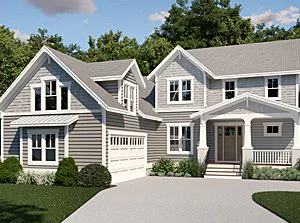
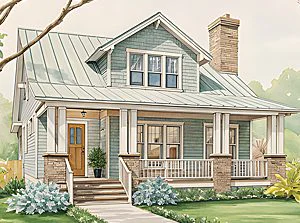
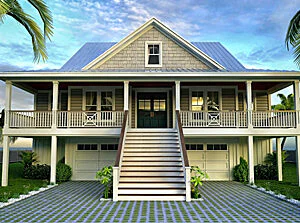
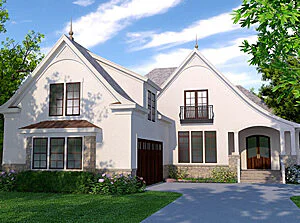

Coastal homes have held their appeal for decades, and it’s not hard to understand why. There’s something about the combination of natural light, open air, and relaxed architecture that just works, whether the home sits on the water or simply borrows the feeling of it.
For a lot of buyers, though, the harder question isn’t whether to go coastal. It’s which version of coastal actually fits them. Modern and classic are two genuinely different directions, and while both can be beautiful, they create very different places to live. Understanding what separates them is the fastest way to figure out which one you’ll actually be happy coming home to.
SDC House Plans has been designing coastal homes for more than 25 years, from traditional Lowcountry plans to cleaner contemporary beach houses. What that experience makes clear is that “coastal” means something different to almost everyone who asks for it.
What makes a home feel classic coastal
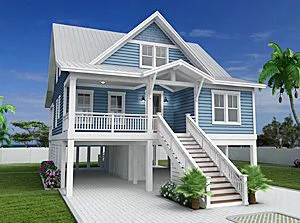
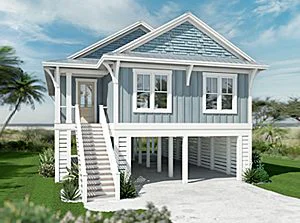
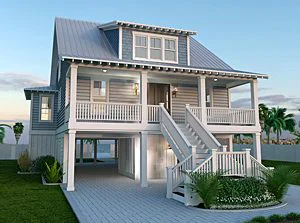
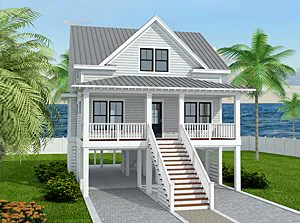
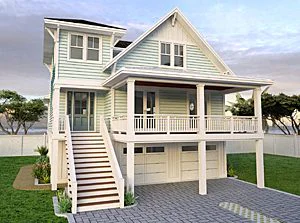
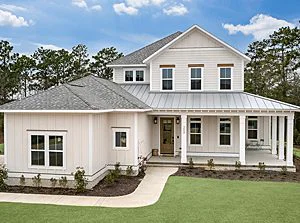
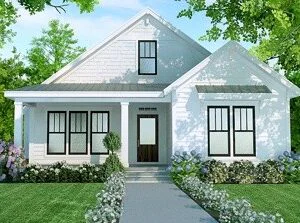
Classic coastal architecture draws from the seaside towns and historic waterfront communities that line the Southern coast. The look is familiar in the best possible way: covered porches with real depth, shuttered windows, steeper rooflines, symmetrical fronts that feel considered rather than accidental.
Inside, these homes tend to have warmth and definition. Separate dining rooms. Cozy living spaces. Architectural details (millwork, coffered ceilings, traditional hardwood floors) that give the home layers and a sense of permanence.
People who are drawn to this style usually describe it as feeling “established.” It has an easy elegance that doesn’t demand anything from you, and it tends to age well regardless of what’s trending at the moment.
What modern coastal looks like
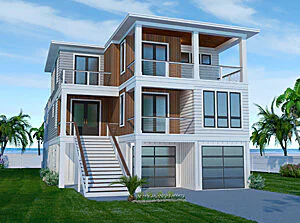
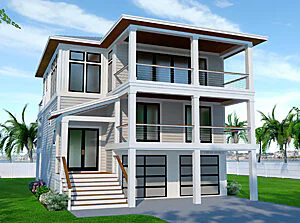
Modern coastal takes the same basic instincts — light, air, connection to the outdoors — and strips away the ornamentation. The result is something cleaner and more open, but still unmistakably relaxed.
Large windows and glass doors do a lot of the work. Rooflines are simpler. Exterior materials get mixed more freely (wood alongside metal, stone alongside glass) in ways that feel intentional without being fussy. Inside, the kitchen usually anchors the main living space, and the line between cooking, dining, and relaxing blurs considerably.
The appeal here is a home that feels uncluttered and current without losing that easy coastal atmosphere. It’s a less formal way of living, and for a lot of buyers that’s exactly the point.
How you live matters as much as what you like
Design preferences are personal, but lifestyle is practical, and the two don’t always line up the same way.
Classic coastal layouts tend to suit homeowners who want more defined spaces. A proper dining room. Rooms that have their own identity. Families who like a little more structure in how the house is organized often find that this style fits the way they actually use a home.
Modern coastal tends to work better for people who gravitate toward open plans and flexible space. That’s become a bigger factor recently as more people are working from home and looking for layouts that can pull double duty: a bonus room that becomes an office, a living area that reconfigures for guests.
Neither is the right answer in the abstract. It depends on the day-to-day reality of who’s in the house and how they move through it.
The details are where the real differences show up
Step back, and both styles look coastal. Get closer and the gap becomes obvious.
Classic coastal homes lean into craftsmanship: columns, porch railings, exposed rafters, and detailed trim that takes time to do well. These are the features that make a home feel like it was built with care rather than speed.
Modern coastal homes pull back from all of that. The exterior combinations are cleaner, the interiors more streamlined. The focus shifts from decoration to proportion, getting the openness and the light right, and trusting that to carry the design.
One isn’t inherently better. It’s really just a question of which atmosphere you want to wake up in.
Outdoor living is non-negotiable either way
Both styles treat outdoor space as part of the home, not a bonus attached to it. Where they differ is in how that plays out.
Classic coastal homes typically emphasize covered porches — the kind that are deep enough to actually use, with room for furniture and a ceiling fan overhead. Wraparound porches, outdoor dining areas, and spaces designed for sitting and staying awhile.
Modern coastal homes tend to push the indoor-outdoor connection harder. Oversized sliding doors that open entire walls, patios built for entertaining, outdoor kitchens that rival the ones inside. The boundary between in and out gets thin on purpose.
Most buyers end up somewhere in between
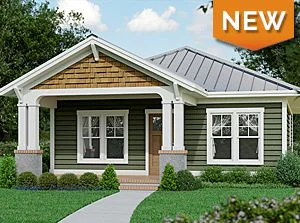
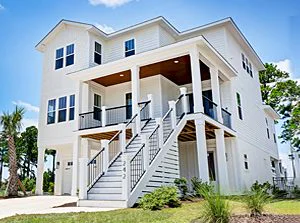
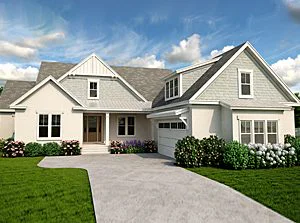
A lot of homeowners find they want pieces of both. A traditional exterior with a more open interior. Modern architecture softened with warm wood tones and classic coastal textures. It’s a common request, and it produces some of the most interesting results.
Because every SDC House Plans design is created in-house, modifications like these are genuinely workable, not just technically possible but actually part of how the design process goes. A plan is a starting point, and getting it to feel like yours is the whole idea.
Finding the right fit
Some people walk in knowing exactly which direction they want. Others need to spend some time looking before it clicks. Either way, the decision usually comes down to three things: what draws your eye, how you plan to use the space, and what you want the home to feel like at the end of a long day.
When you’re ready to start looking, SDC House Plans has a deep catalog of coastal designs — traditional, contemporary, and everything in between — and every one of them can be tailored to your lot, your taste, and the way you actually live.