
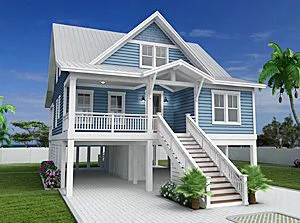
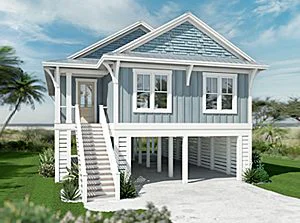
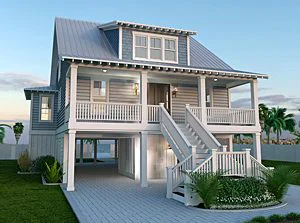
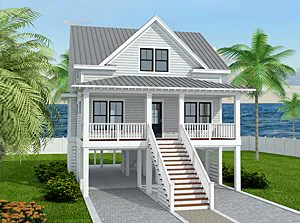
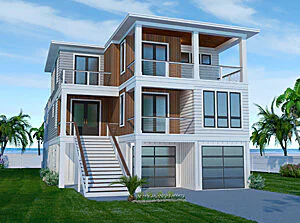
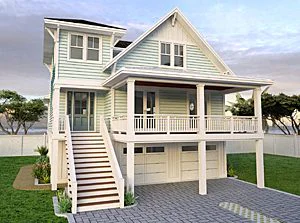
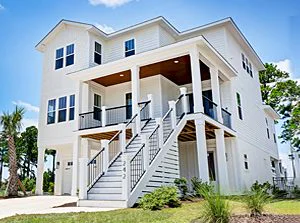
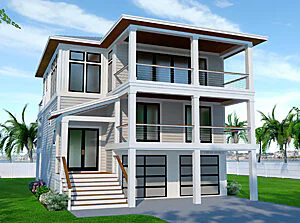
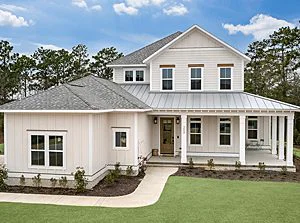
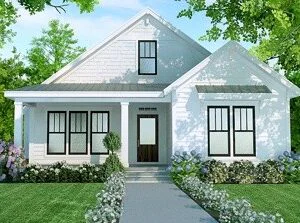
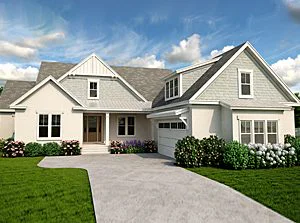
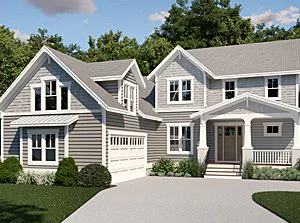
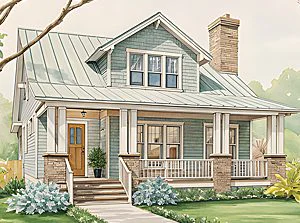
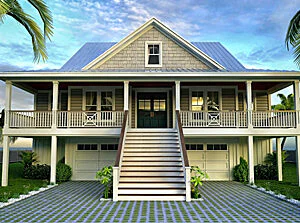
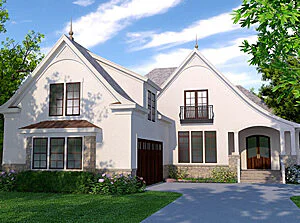

There is a moment on a coastal lot, a hillside, or a waterfront site when you walk the property and realize the best part of it is not at ground level. The view, the breeze, the light, all of it is up there. Then you look at a conventional floor plan and notice the bedrooms claiming that upper floor while the kitchen and living room sit below, staring at a fence or a neighboring foundation. That disconnect is exactly the problem reverse house plans were designed to solve.
The idea of a reverse floor plan is simple: flip the traditional home layout so the main living spaces, including the kitchen, dining area, and living room sit on the upper level, while the bedrooms and more private spaces stay below. It sounds like a minor adjustment, but on the right lot, it changes the entire character of a home.
In this blog, we will discuss what a reverse houseplan is and why you should consider one for your upcoming home build.
What a Reverse House Plan Actually Changes
On a standard two-story home, the ground floor does all the social heavy lifting. You walk in, you are in the kitchen, the living room, the common areas. The upper floor is where people retreat. That works fine on a flat suburban lot with no particular view or orientation to chase.
But on a sloped site, a waterfront property, or a coastal lot where the upper level clears the tree line or the dune, that arrangement wastes the best real estate in the house. You end up with bedrooms that look out over the water while the living room gets the utility view.
Reversing the layout puts the kitchen and great room exactly where they earn the most value: high up, oriented to the light, capturing the scenery that makes the lot worth building on in the first place.
Downstairs, the bedrooms gain something too. They become quieter, more separated from the household activity, and often cooler in warmer climates since the upper floor absorbs more of the heat load.
For builders and developers working coastal or hillside markets, this is not a niche design choice. It is a logical response to what buyers in those markets are actually paying for.
The View Advantage Is the Core Argument
Everything else in a reverse plan flows from this one point. When your site has something worth looking at, the rooms people spend the most time in should be the ones doing the looking.
SDC’s reverse floor plan collection is built around this logic. The layouts are designed to put working, gathering, and entertaining spaces in the position of the home where they do the most good, not just where convention says they belong.
If you want to see how this plays out in specific plans, the 13 Stunning Coastal Home Designs article walks through several examples with real square footage and layout details.
Privacy Is the Other Half of the Equation
Reverse plans do not just improve views. They improve how the home functions as a private space too.
When bedrooms occupy the lower level, they are naturally shielded from the energy and noise of daily household activity. Guests coming and going, cooking smells, TV sound, a gathering that runs late, none of that filters down to where people are sleeping. The sleeping quarters become genuinely separate from the social floor in a way that a typical layout, even one with good room placement, struggles to achieve.
If you are weighing whether a reverse layout or a traditional two-story makes more sense for your specific program, SDC’s Reverse House Plans vs. Traditional House Plans article lays out that comparison directly.
Sloped Lots and Elevated Sites Are Where These Plans Shine
A flat lot in a standard subdivision can usually work with either a conventional or reverse layout. But once a site introduces grade change, a waterfront edge, or an elevated position with a meaningful view corridor, the reverse plan stops being optional and starts being the obvious answer.
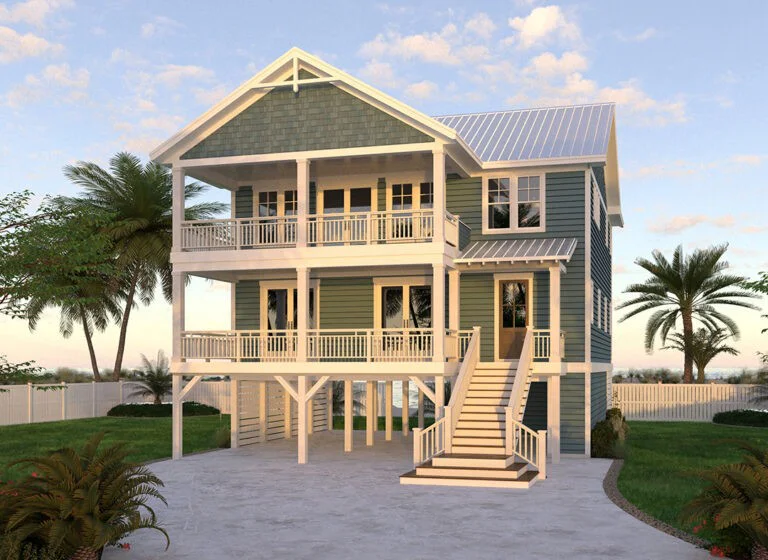
Building codes in many coastal zones already require finished floor elevations well above base flood elevation. When you are already elevating the structure, putting your main living spaces on that upper level costs you nothing structurally and rewards you enormously in terms of views, natural ventilation, and the overall feel of the home.
If you are interested in raised house plans for storm-prone areas, check out this blog.
Indoor-Outdoor Living Gets Easier
Another practical benefit that gets less attention is how well reverse plans support connected outdoor spaces. When the main living floor is elevated, a covered deck or screened porch off the great room becomes a genuinely useful outdoor room rather than a ground-level add-on that competes with the yard.
Upper-level decks on reverse plans tend to be more protected from traffic noise, lower-floor activity, and direct ground-level interaction. They can be covered more efficiently because the roofline already extends above them. And when the kitchen is on the same floor, outdoor entertaining flows naturally from indoor to outdoor without carrying things up or down stairs.
Energy and Comfort: A Practical Benefit Worth Noting
There is a functional comfort argument for reverse plans that goes beyond aesthetics.
Upper floors in most climates receive more solar exposure, which means more natural daylight for the kitchen and living room without having to rely on artificial lighting during the day. That is a real quality-of-life benefit and modest operational savings.
The lower bedrooms, meanwhile, tend to stay cooler. In hot coastal climates, this matters. A bedroom on the ground floor or lower level of a reverse plan is naturally insulated from peak afternoon solar heat, which can translate to lower cooling loads during sleeping hours and less mechanical equipment strain overall.
For builders designing to energy codes or targeting buyers who care about operating costs, these are not trivial points. They are selling features built into the layout itself. If you want to dig further into energy-conscious building choices, our resource on 10 Ways to Make Your Home More Energy Efficient that covers additional strategies worth considering at the plan stage.
The Trade-Off You Need to Think About
Stairs become a daily reality in a reverse plan. That is not a dealbreaker for most households, but it is a genuine consideration. For families with young children, the setup requires thinking through how the downstairs bedroom level works as a functional drop zone. For aging homeowners, daily stair use is a real long-term concern.
Reverse plans are a strong fit for vacation properties, younger households, and active empty nesters, but they require honest planning for anyone who expects aging-in-place needs to matter in the next ten to fifteen years.
The good news is that a well-designed reverse plan can account for this. Elevator rough-ins, wider hallways on the lower level, and accessible bedroom suites downstairs are modifications SDC’s team can incorporate into a stock plan through the in-house modification process. The layout flexibility is there. It just takes intentional planning up front rather than retrofitting later.
Maximizing Coastal Views with SDC House Plans
Ultimately, if you are building on an elevated, coastal, or hillside lot where capturing a view or maximizing outdoor living is a primary driver of property value, a reverse floor plan is worth serious consideration.
This layout strategy consistently produces a home that feels deeply connected to its surroundings and functions beautifully for entertaining, making it a highly compelling option for custom builders working on distinctive lots and developers targeting high-performing vacation rental markets.
SDC House Plans offers dozens of reverse floor plans across our core coastal, Lowcountry, and modern farmhouse collections, each drawn with builder-friendly documentation designed for real-world construction conditions.
If a stock layout gets you most of the way there but your specific site or building program requires adjustments, our in-house modification team can adapt the plan directly without requiring the time and expense of a full custom design engagement.
To see how these layouts can transform your next project, browse the full reverse floor plan collection at SDC House Plans or reach out to our team to talk through whether a specific footprint fits your lot and what it would take to get it there.