

There is a version of multigenerational living most people dread: one bathroom for three generations, no quiet corner to make a call, and a kitchen that never fully empties.
That version is not a family problem; it’s a floorplan problem. The families making multigenerational living work in 2026 are thriving in it because their homes were built with clear zones, real separation, and layouts designed around how multiple households actually function day to day.
More families are building with extended living in mind from the start, and the homes doing it well share a common thread: they treat privacy as a structural priority, not an afterthought. In this blog we will cover tips and tricks for handling multigenerational living, so you and your loved ones can stay close, but not too close!
Why More Families Are Building This Way
The math is part of it. Shared housing costs, combined childcare, and the rising expense of assisted living have pushed families toward single-property solutions. But the real pull is care and proximity: aging parents who want to stay near family, adult children still building financial footing, and grandparents who want to be part of daily life rather than a twice-a-year visit.
What has changed is how the industry is responding. Instead of adding a spare bedroom and calling it done, buyers in 2026 are asking for genuine separation: private entrances, secondary kitchens, accessible bathrooms, and layouts where one household can operate completely independently of the other. That is a different design brief than most standard plans deliver, and it is worth understanding before you pull a permit.
How to Handle Closeness Without Crowding
The most common mistake in multigenerational design is conflating physical proximity with shared space. A home can put two households on the same lot while still giving each one the functional independence of a separate address. The key is knowing where separation needs to happen.
Shared outdoor space and even a common living room can work well for families who genuinely want that overlap. But a shared bathroom, one laundry area, and a single kitchen creates friction almost immediately. Good multigenerational design removes those friction points at the planning stage, before the slab is poured.
What is a Guest Cottage or ADU?
For most families, a detached Accessory Dwelling Unit (ADU) is the cleanest answer to the privacy question.
A backyard cottage or purpose-built secondary dwelling gives family members a fully autonomous home: their own front door, their own kitchen, their own rhythm. The main house and the ADU share land, but not a hallway.
That physical separation changes the dynamic entirely. Grandparents in a well-designed ADU are not guests; they are neighbors. They can come for dinner and go home afterward. And the family in the main house keeps their own routines without coordinating around another household.
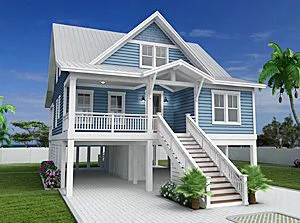
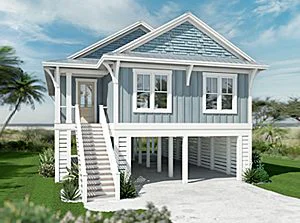
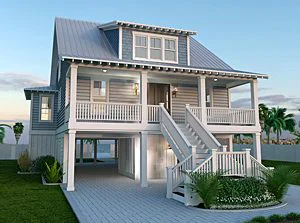
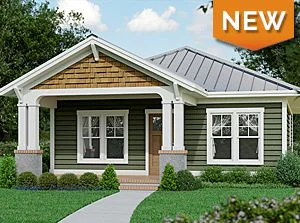
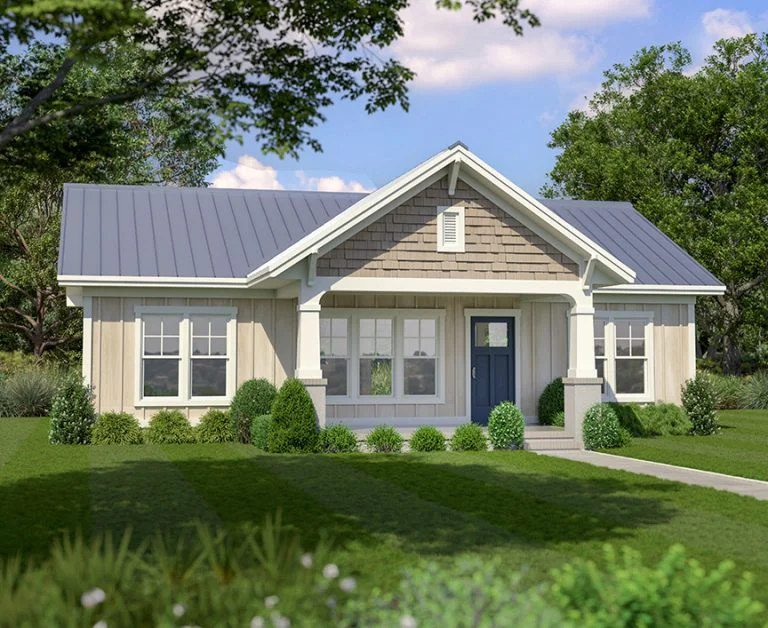
SDC House Plan’s Guest Cottage and ADU collection includes plans built specifically for this use case, with layouts that prioritize accessibility and long-term livability.
From a builder’s perspective, a detached ADU is also a clean project. It has its own foundation, its own framing package, and its own systems, which makes it easier to bid, schedule, and modify without touching the main structure.
If your lot allows for a detached structure, this is where most families should start. For more information, see our blog on what features actually matter when you are building for someone who will need the space to work for them for decades.
Attached In-Law Suites: When Separation Happens Inside the Home
Not every lot supports a detached structure. Setback requirements and local zoning can limit what is possible outside. When that is the case, an attached in-law suite is the next best option, and a well-designed one delivers most of the same benefits.
The functional suite includes a private bedroom, a full bathroom, and at minimum a kitchenette with a small refrigerator, sink, and prep area. A separate exterior entrance is the single most important feature. It means family members can come and go without walking through the main house, which sounds simple but makes an enormous difference to daily life on both sides.
Sound separation between the suite and the main living areas is often underfunded in construction but consistently cited as a friction point once families move in. If you are building a suite adjacent to a living room or kitchen, treat the shared wall with proper insulation and think through the floor-ceiling assembly if the suite sits above a high-traffic area. The cost is modest at framing; retrofitting it later is neither cheap nor easy.
Garage Apartments and Basement ADUs
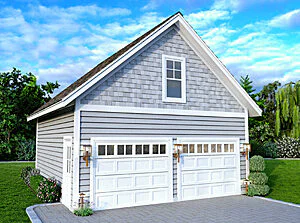
On lots where a rear structure is restricted but a garage is part of the plan, an apartment above the parking bay is one of the most efficient ways to add independent living space. The footprint is already allocated, and the square footage above is otherwise underutilized. SDC House Plan’s detached garage plans include options with apartments above, which gives you parking and a secondary dwelling in one construction package.
For homes in regions where basements are common, a below-grade ADU conversion is one of the most cost-effective multigenerational solutions available. The excavation is done and the foundation walls are in place. What a basement unit requires is thoughtful design to compensate for the limitations of a below-grade space: egress windows, a separate exterior entrance, and a minimum ceiling height of eight feet. Anything below that tends to feel compressed regardless of how the space is finished.
Dual Primary Suites: For Families Sharing One Roof
For families who want to share a home without adding a separate structure, a floor plan with two primary suites is worth evaluating. Each adult household gets a true bedroom with a private bathroom and enough square footage to function as a real retreat. One suite on the main level, one upstairs or on the opposite end of the plan, with a common area between them.
What makes this work is distance and sound control between suites. Two primaries separated by a shared bathroom wall provide almost no practical privacy. Two suites on opposite ends of the home, or on separate floors, function far better. The trade-off compared to a true ADU is that daily routines still overlap in the shared kitchen, laundry, and living areas. That can work well for families who genuinely want that overlap, but it requires honest conversations upfront about how much shared space everyone is comfortable with.
Designing with Intention: Building Flexibility into Your Plan
Ultimately, the best multigenerational layout depends on your lot, local zoning, budget, and desired level of daily privacy.
Whether you choose a detached ADU for maximum autonomy, an attached suite, a space-efficient garage apartment, or a dual-primary main home for closer togetherness, the common thread is intention. The homes where multigenerational families truly thrive are the ones designed with the right questions in mind from the very beginning.
If you are ready to explore your options, browse SDC House Plan’s full collection or reach out to the in-house team to discuss custom modifications.